28 C
Awka
Tuesday, March 31, 2026

Trumpet With Certain Sound

Home Blog Page 18

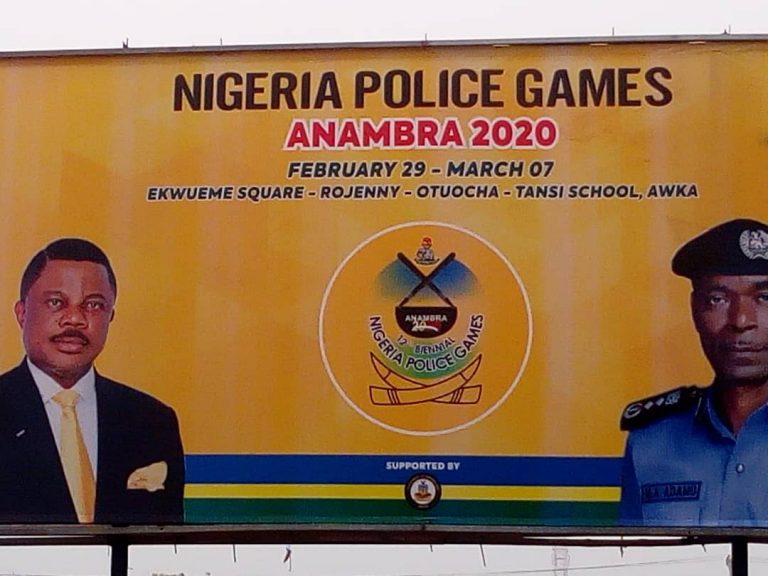
Anambra State Hosts National Police Games Starting Feb 29

0

… Over 10,000 athletes participate in 4 venues

… Nigeria’s VP Osinbajo to attend as Special Guest

By Ndu Chris Nwannah, ATM Guest Writer

All is now set for the 12th Biennial Police Games in Anambra State. This will be the first time the festival will be staged in the South East. It has been a platform for tapping and discovering national and international sport talents. Remember that the likes of Chioma Ajunwa and Sunday Bada emerged from the police to represent Nigeria in the international sport arena.

The opening ceremony of the games will take place at Ekwueme Square, Awka on Saturday, 29 February 2020, while the event will end by 1 pm on March 7 at the same venue. Popular musician, Flavour, will be on hand to entertain guests during the opening ceremony. The sporting events will be staged from March 1 to 6 across four arenas in Awka, Oba, Onitsha and Otuocha. The centres are Ekwueme Square, Awka, Rojenny Tourist Village, Oba, Otuocha Township Stadium and Tansi International College, Awka.

The games with the theme ‘Promoting Community Safety through Sports’, will be hosted by Governor Willie Obiano of Anambra State; the Chief Host will be Nigeria’s Inspector General of Police, Mr. Mohammed Adamu; and Professor Yemi Osinbajo, the Vice President of Nigeria, will be the Special Guest of Honour.

Confirming the availability of the Vice President during a press conference at Anambra State Police Command Headquarters, Awka, the Force Public Relations Officer, FPRO, Mr. Frank Mbah, announced that the vice president would declare the event open. Mr. Mbah said that this underscored the importance of sports in national development. He noted that over 10,000 athletes would vie for honours during the fiesta, stressing that it was an avenue to hunt for future national talents.

The Police Sports Relations Officer in Anambra State, Mrs Nkeiruka Nwode, was hopeful about the success of the games, noting that sport would continue to be a uniting factor in the country.

As Christians Embark On Lent, Awka Federal House Rep, Hon. Onwuaso, Urges Prayers, Contentment, And Says Security Issue Up To State Executive

0
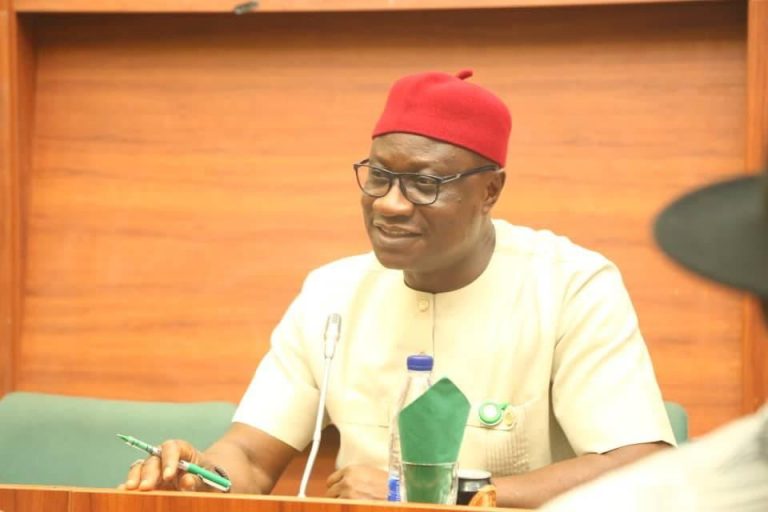
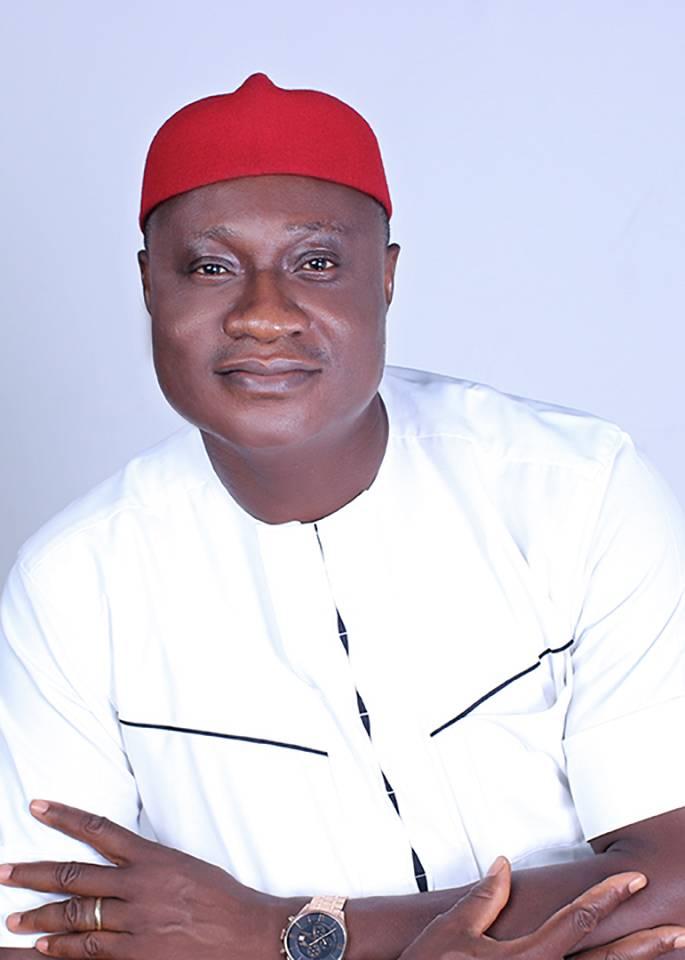
Hon. Engr. Sam Onwuaso, Member for Awka South/North Constituency

… Calls on constituents to be patient and understand that the legislative process is slow

… Says legislators can only lobby and pass laws but it is up to executive to implement

… Says youth should buckle down and not wait for hand outs

By Ndu Chris Nwannah, ATM Guest Writer and Emeka Ral

Amid the roiling reality of security and economic anxieties in the South East of Nigeria and beyond, the member representing Awka North and South federal constituency at the National Assembly, Hon. Engr. Samuel Chinedu Onwuaso, has issued a message asking “Christians to be contented in life”, “to embrace love and imbibe the virtues of unity, peace and contentment”, and “to embark on prayers to enable the nation to overcome the security, economic and other social challenges confronting it”. Hon. Onwuaso says love and peace are critical ingredients in effective Christian worship, and he wants the faithful to embark on actions that would bring greater unity to the nation.

Hon. Onwuaso, who was elected on the platform of the People’s Democratic Party (PDP) to the 9th National Assembly inaugurated on 11 June 2019, stated this in a message for the 2020 Christian Lenten Season which began with Ash Wednesday on 26 February.

Ash Wednesday is established in Christian liturgical calendar as the first day of the 40-day period of fast culminating in the Holy Week, death and resurrection of Jesus Christ. It is believed by Christians that the resurrection of Christ gave believers victory over the devil and his agents.

In his message, which was released by the legislator’s media office, Hon. Onwuaso also underscored the need for Christians to be contented in life.

“Hon. Engr. Sam Chinedu Onwuaso, MHR, has called on Christians all over Nigeria to embrace love and imbibe the virtues of unity, peace and contentment in our quest for survival and steady interactions with one another,” the statement said.

Hon. Onwuaso urged Christians from his constituency to embark on prayers to enable the nation to overcome security, economic and other social challenges confronting it. He asked for God’s intervention to solve the issues affecting the country.

According to the statement, “the federal lawmaker urged Christians from his constituency and Nigerians at large to utilize this season of prayers, fasting and alms-giving to remember our country – which is currently in distress owing to the rate of killings, hardships, economic and political instability that are retarding our growth and development as a nation – in prayers and ask God for his divine intervention, healing and mercy.”

In response to questions from Awka Times, Hon. Onwuaso said the issue of security “is rested upon the state governors and the presidency.” He said that as a lawmaker, he has “expressed the anxiety of our people on insecurity using motions and sensitive discussions while waiting [on] the [state] executives to put into action all our unanimous decisions irrespective of party affiliations.”

Onwuaso prayed for a successful Lenten Season among the faithful and, according to the media statement, wishes “the Christian faithful a spirit-filled and successful Lenten Season.”
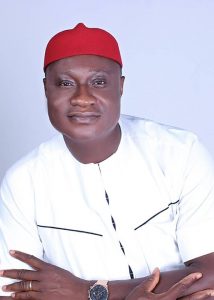
Hon. Engr. Onwuaso

Earlier, Awka Times had met with Hon. Samuel Onwuaso in Abuja for a wide-ranging interview. The exclusive interview with the engineer, industrialist and first-term legislator, was conducted by Awka Times editor, Emeka Ral. It is presented below, edited for length and clarity.

Awka Times Magazine (ATM): What informed your journey from business to politics?

Engr. Sam Chinedu Onwuaso (ESCO): Just like in every society where you are watching from the sidelines, you might notice that there are certain things you could do differently if you were in the play.  So that was the first point of attraction: knowing that, from the wealth of experiences one has gained serving the public as an industrialist, you have seen a lot of things that could be done right if you have the opportunity. I thought if I am there, I will be able to help in forming policies. I will be able to help in bringing laws that will favor the development of industries [and] make life better for my people.

ATM: In Anambra State, the All Progressive Grand Alliance (APGA) is the ruling party in the state. In fact, some consider it an Igbo party. What made you choose the PDP instead?

ESCO: Well, the politics of today has so much advanced that there are certain sentiments that will not carry the wave. If it were as in the past elections, you might [think] that APGA [being] an “Igbo” party would influence where people voted. But our people have seen that the essence of politics is to bring on board people who will perform. Party is just a platform. It is the person – his capacity – that does the job… I think it will be a better platform… if people are voted based on their capacity and not the party [to which] they belong.

ATM: You are in the House of Reps already. How are you settling down, being a new legislator? We are aware that you were not able to gain the chairmanship of any Committee. Is this likely to affect your performance?

ESCO: Well, for a first-timer, it is not easy settling down because you have to learn a lot… It is not expected that the moment you come in, you enter into legislation and then start creating impact within that period – except you have a magic [wand]! But by the time you come to the chambers and discover that people are already putting up motions, you will be forced to  do all that which is a part of the settling down.

ATM: With regards to the committee membership and chairmanship, how does it affect your office?

ESCO: If you look at the number of committees in the House of Reps, presently it stands at 209 or thereabouts. We have 360 members of the House of Reps. This 209 includes both the chairmanship and the deputy chairmanship. Now I am of PDP and also a first-timer, so I’m in opposition; we are in the minority. The total members of the House of Reps from the ruling party is about 220 or thereabouts. So,  even if the ruling party has divided these committees, the 220 will not all get chairmanship and deputy chairmanship. So I said let it be that I am among those who didn’t get the chairmanship or deputy chairmanship. But surely there is no way any member will not belong in a committee and the impact you give in that committee depends on that individual. It doesn’t matter who the chairman is. The chairman might not know certain things. It would be a member who will step up to help the chairman. So the effectiveness of the committee rests on the people that constitute the membership. It does not rest solely on the chairman or the deputy chairman. So how effective you are in a committee depends on what you have…

ATM: But in a country like Nigeria where most decisions are taken or influenced by heads of committees, it is possible that constituencies whose members make up chairmen and deputy chairmen…  

ESCO: It is an added advantage… But it doesn’t solely dictate the level to which [one can perform]. If it is a committee that’s properly constituted and the chairman wants to carry the members along, I think every member will contribute his or her quota.

ATM: You’re already in the House. What are the core areas you may wish to focus on?

ESCO: Every member of the House of Reps is concerned with security and economic issues. I don’t think there is anybody in this country who is not talking about employment, how to bring down the youth restiveness, banditry, kidnapping. Those are the major factors that are before us today and that will be the core concern for me especially where I have people in Awka North and South. In Awka as you know,  the cult killings and political whatever, youths being used for all those things, and then you go to Awka North and find that most women cannot even access their farms because of Fulani herdsmen or whatever name that is given to them… bandits. So all those things are my concerns.

ATM:  The Nigerian legislative business [focuses a lot on so-called] constituency projects. How effective do you intend to be, given that over the years not much of such has been seen in your constituency?

ESCO: I’m sorry I will not talk for the past leaders. Everybody has his approach and his mission. But my representation will be transparent. At least we will be able to show you what we have been able to bring in as our constituency projects. We will train and empower people, carry out little constructions that the amount [we receive] can carry. There is always a specified amount. Most times people look for things from members of the House of Reps, they assume that there are certain projects that members are supposed to execute forgetting that apart from the constituency projects – we call it zonal intervention – we don’t have any other point to show apart from lobbying and begging based on the contacts you made. The whole thing is rested on the ministries. Our own duty is to send certain things to the ministries informing them that our people need certain things.
Hon. Engr. Onwuaso

ATM: What [budgetary] measures do you hope to [focus on that will benefit] the people of Awka North and South Constituency, and how will you ensure that the budgetary provisions are executed?

ESCO: Well, I have three duties as the legislator: Oversight duties, legislative duties… but within that arm of the three functions, it is within our powers to suggest to the executive that these things are supposed to be tackled to enable the people we are representing function economically, [to secure their] livelihood and every other thing. But just as you are proposing those things, you also understand that it is a budget. There are specific situations under which a budget is constituted. If those conditions are in any way not [met], then you have a budget [shortfall]. The budget is only a direction given to the government, telling the government what we want to achieve under certain conditions, all things being equal. So in a situation where all things are not equal, that is where you see budget proposals fail. If monies allocated are not there, the proposals will not be executed. You can see that the intention is already stated in the budget. We want to achieve this, but because the money is not there, it is not achievable. But nothing stops the same thing to reoccur in subsequent budgets because it is still a need that has to be tackled. That is why you can see some things [repeatedly] proposed… until that need is met. Do you know how many times the second Niger bridge has come up in the budget? Until it is tackled, it will continue to be in the budget.

ATM: But, Sir, there is this notion that while budgetary provisions for some sections of the country are usually funded to a reasonable extent the provisions for other areas [are not always faithfully funded]. Some attribute such budgetary failures, among other things, to the inability of the legislators representing those areas to do the necessary lobbying. How true is this?

ESCO: I don’t think you are right to lay the blame on the legislators. Our duty is not to execute projects. Our duty is not to raise funds. Our duty is to propose to the authorities that this is what should be done in our localities. When you propose it, as long as it is already in the budget, you have done the lobbying. The budget is a law. That’s why it goes for appropriations.

ATM: If budget is a law but not implemented, is it justiciable, can people be brought to book for failing to implement the law?

ESCO: You as an individual have the right to go to court. If the legislators have done their duty to place an item or proposal and lobbied to make sure that it comes out in the budget, then it rests on the executives to implement the budget. It does not rest on the legislator to make sure that the project is executed… So you as an individual have the right to question when a budget is not implemented.

It is a very sensitive issue you have raised but I will stand to still tell you that every government has their priorities and we are pushing to make sure that whatever that would come to our constituency will get to us. It is a push, that’s why you see us make efforts to place items in the budgets to present the needs of our people. Let’s reflect on this issue. Recently, we discovered that tertiary institutions in Anambra State (both state and federal) have not been accessing money from TET-FUND for some years now. One issue is that some of them require some level of accreditation. So if the state has gone through the trouble of building an institution, why won’t you fight for it to be accredited so that [it can get] access to funds? Not only that, those ones accessed, what level has it being executed? There are projects in which the fund has been made available for the past eight to twelve years which the money has not been accounted for. You see, is not only pushing for such projects from the federal House of Reps or Senate but from where it is sent to, what level of execution? Where is the money? If you don’t execute the project, you can’t access more. I am being particular about this TET-FUND issue because it has been a lot of worry for us. We have over ₦6 billion tied down in TET-FUND meant for our schools in Anambra State. It remains inaccessible because they can neither get accredited nor account for the previous ones. It is a thing of worry to us and you can’t blame the member of the House of Representatives for that.

ATM: There is this discord among the communities in Awka North and South which prevents them from maximizing the allocations and other political benefits they get vis-à-vis other constituencies. This is also tied to the issue of governorship zoning which appears to be accepted in public perception. How can these communities which make up your constituency forge a better accord?

ESCO: Is there actually any political zoning in Anambra State? You should bear in mind that for a long time, the party APGA has been in the position of producing governors in Anambra State. Every party has its manifesto. Apart from that, one party’s decision will not affect what the other party says. So if the perception is based on the table of events as it is in APGA, well I don’t think it will affect the decision of any other political party…

ATM: So in effect your party, PDP, does not consent to the idea of governorship zoning?

ESCO: PDP has never come on board to say that they have zoned. They have not. PDP has never in any way discussed zoning as a factor as it stands now in the politics of Anambra State. But just like you said – the perception is like this – I will tell you that it might still be the same perception that is coming across Awka North and South federal constituency. Before my emergence, PDP asked the people of Awka North to bring a candidate. But after searching nobody came out. Should PDP now insist that anybody as long as he comes from Awka North must be the candidate? What I am bringing on board is, even with the so-called perception, will we now be subjected to mediocrity or should we choose someone who will do a good job?… You see, the joy of democracy is that it gives you the opportunity to [identify] the candidate preferred by the masses. So if presently we are tagging the same situation in the coming governorship election in Anambra State, will you say simply because the perception is that the candidate must come from the South and then you bring on board a candidate that is not preferred by Anambrarians? My brother, you will be cheating the masses!

I stand to criticize any bad person in the office. Presently we are not having it right at the level of Anambra State government. So we are asking our brothers in Anambra State that what we want is the best person to do the job irrespective of where he comes from. Anambra State is not a divided state. Anybody bringing this issue [of zoning] is trying to draw the hands of the clock back, farther back because we are already 50 years behind. Go to Ebonyi. Ebonyi is the story of the whole country. Same people [back then] who would come to us looking for what to do. Today, you go to Ebonyi and you will see development because the man on board has a sense of direction. He knows where he is going and this is lacking in Anambra State. Quote me. Tell them that I said it.

ATM: Let’s turn to youth involvement in politics. Are you interested in ensuring that younger people who have something to offer emerge into governance?

ESCO: Nobody gives you powers. Powers have never been given. It depends on the youth. If we as Nigerians voted somebody who is above 75 years going to 80 years, where are the youths? Where is the will to change things? So nobody will call the youths and give them powers, the youths have to come out. So me telling you that I will make sure that power will go to the youths, it is as good as giving you a vain promise. Anybody who is interested should come out, just like I came out… Our past leaders were very young. Talk of the old military leaders (Gowon and others), they were able to keep the command of whatever that was given to them. So why are the youths of today waiting to be fifty or seventy before they come on board?

ATM: Any parting words as we round off the interview?

ESCO: I have three things to ask of you people, the people of Awka North and South Federal Constituency. The first is that you should please be patient with us. Legislative duties are not like in an executive office. Expectations are so wild and big that it is not something the office of a legislator can accommodate. The office of the legislator has no budget. It is only through lobbying, research and speaking the voice of the people you are representing that you can make an impact. Beyond that three, any other thing added is just the extra mile but it is not part of it.

Secondly, we have discovered recently that the youths… will easily lie on the beds, bring out their phones simply because they have some data and then start writing things without research. I want to plead with you all that before anybody can write anything, let him/her do proper research. If you back your position with research and not hearsay, it will bring a lot of progress because anything you are writing will be a form of platform for future research. It will influence the next action. But if you write on hearsay, meant only to castigate, meant only to throw mud on any of the legislators, you are doing yourself more harm than good. So it is good to do proper research before mudslinging. 

Thirdly, the present day Nigeria is not like before. The economy and security are not really working according to plan. I will implore my constituents to be ready to get trained in any other thing, maybe in handiwork or other crafts because that is where the country is going now. If you have something doing, the government will be able to come up and empower you. The time has gone when a young woman will stay at home and be begging for money from anybody. No matter how much you are given today, it still won’t be enough to carry you along. But if you have something doing and you are empowered, it will go a long way. So most of the things we will [focus on] will be how to empower the young men and women of Awka North and South. Nobody is ready to share money.


An Evening With Artists and Art Collectors

0
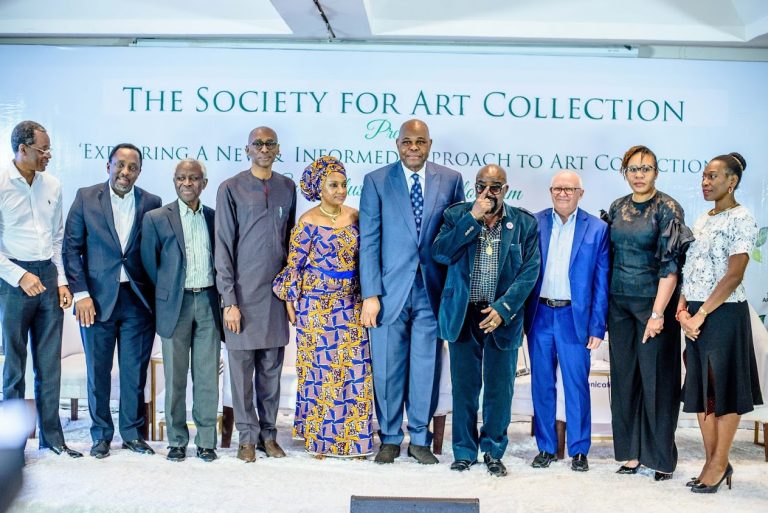
Some Members and Patrons of the Society for Art Collection, Ikoyi Lagos 17 Feb, 2020 (Photo Credit: SARTCOL)

…. Art colloquium explores ways to promote art appreciation and art collection, as aesthetic and economic acquisitions

By Philip Nwosu, Awka Times Guest Reporter, Chinedu Offodile and Chudi Okoye

It was an enchanting and convivial evening in refined and rarefied company.

It was a classy and entirely salubrious affair, with sublime discussions and uplifting concerns far removed from the grind of hard-knock existence in Nigeria.

The locution was cultivated, and the location spoke volumes too: An up-market venue somewhere in swanky Ikoyi, the storied neighborhood with leafy pavements considered the most affluent in Lagos, Nigeria.

The attendees themselves were a unique cast: Mostly art cognoscenti and art hunter-gatherers drawn from the upper reaches of academia, business, politics and the professions.

They had gathered together, this evening of 17 February 2020, with a focused mission: To discuss the ramifications – the aesthetics, strategies and economics and the integral challenges – of art collection in Nigeria.

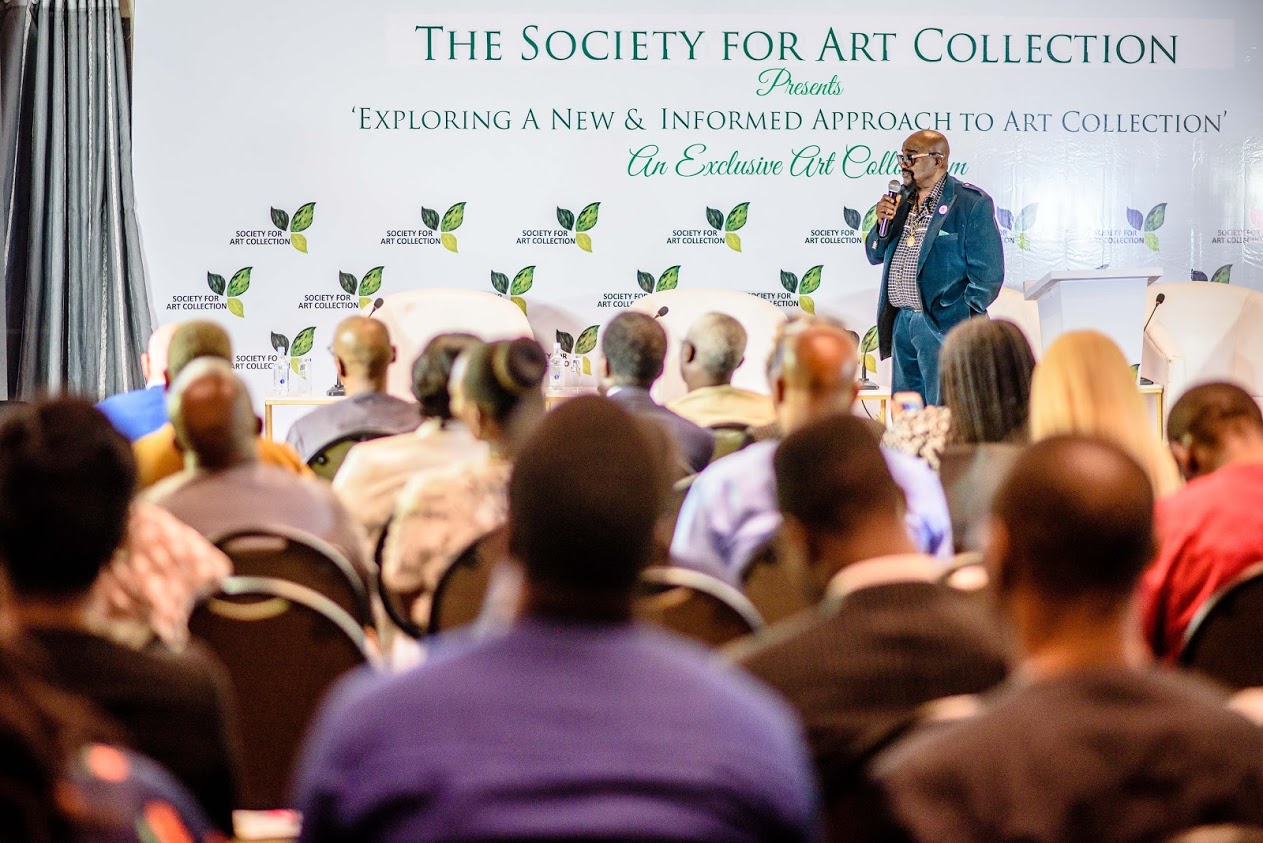
The event was organized by the Society for Art Collection (SARTCOL), a recently created art foundation based in Lagos. The art colloquium featured a keynote address tagged Exploring a New and Informed Approach to Art Collection which was presented by Professor Chike Aniakor, artist, scholar and renowned art historian. The event also featured highly engaged panel and audience discussions on the prospects for, and impediments to, art collection in Nigeria.

The discussants noted that art collection and even art appreciation, whilst developing, are not well-established in Nigeria, in part due to the poorly established infrastructure for the sourcing, appraisal, promotion and commercialization of art. They observed that most outlets for the promotion of art in Nigeria, such as museums, are government-owned, and as such are badly managed.

Dr. Okey Anueyiagu (centre) with panel members at the event (Photo credit: SARTCOL)

The panel members noted that there has long been in Nigeria a vibrant tradition of private art collection, established by aficionados in the early post-colonial period; later it was nurtured by notable collectors like the late Chief Torch O. Taire, Sammy Olagbaju, John Edokpolo, Chief Emmanuel Olisambu and Rasheed Gbadamosi; and it is still carried on today by contemporary private art collectors.

Furthermore, discussants acknowledged that some foreign cultural missions like Alliance Française and Goethe Institut do try their best to promote Nigerian art. They also recognized Nigeria’s rising profile in the world of contemporary art, with growing demand for Nigerian (and broader African) art in Europe and the U.S. which has in turn driven a notable increase in the number of local galleries and auction houses.

The panel also observed that entities like the Lagos-based Centre for Contemporary Art (founded by the late Bisi Silva) have helped to develop the tools for critical appreciation of art in Nigeria and beyond.

But panelists generally agreed that art collection in Nigeria, whilst emergent, is rudimentary by global standards, driven mainly by aesthetic motivation and to some extent religio-cultural representation, as distinct from economic motivations such as investment, wealth creation and asset preservation. A 2017 Nigerian Art Market Report prepared by Jess Castellote, one of the panelists and Director, Yemisi Shyllon Museum of Art who is on the Governing Council of SARTCOL, put the value of artworks by Nigerian artists sold at African art auctions at a measly $5.5m versus a global market topping $63bn ($67bn as of 2018).

Discussants said that in Nigeria art is still collected primarily for aesthetic delight, not so much as a store of value or as tradeable commodity. They also noted that the ecosystem for art curation, evaluation and promotion is still at early development phase in the Nigerian environ. Panelists noted that this situation is unfortunate given the artistic pedigree, the huge pool of artistic talent and the stupendous palette of artistic material available in the country.

It was the need to redress this situation, to foster a self-reinforcing ecosystem for art development, collection and promotion, to revive enthusiasm for art collection and even to inspire the curriculum for art education, that led to the establishment of the Society for Art Collection in June 2019.

Dr. Okey Anueyiagu, the Awka native, entrepreneur, philanthropist and president of the Society for Art Collection foundation, flagged off the Ikoyi colloquium February 7th with thought-provoking remarks on art and art collection in Nigeria. In his welcome address, Anueyiagu tried to compare art and science and pointed out how closely related they are. He explained that science feeds the mind whereas art feeds the soul. Anueyiagu quoted John Keating (played by Robin Williams in Dead Poets Society, 1989) who said that “medicine, law, business, and engineering, these are all noble pursuits, and necessary to sustain life. But poetry, beauty, romance, love, these are what we stay alive for.”

Dr. Okey Anueyiagu addressing the audience at the event (Photo credit: SARTCOL)

Dr. Anueyiagu said that the essence of the gathering in Ikoyi was to forge a better link between artists and buyers of art, and to guide young artists to develop and create works that will help the economy grow, especially since some talented Nigerian artists create artwork that can sell internationally.

He said that the title of the lecture (Exploring A New And Informed Approach To Art Collection) and the choice of speaker (Professor Chike Aniakor) lent credence to the importance and significance of the colloquium. “Our vision,” Dr. Anueyiagu said, “is to serve as a veritable platform for educating artists and art collectors on the intricacies of art collection.

“Our quest is to stimulate discussion within the art space on the provenance and rights of artists and patrons of the art, believing that art is a cultural, social and economic experience. Our Society is fully invested in how to utilize our knowledge and experience to contribute to the sustenance of art as a strong partner in National Development.”

Continuing, Dr. Anueyiagu said that “over the years, Nigeria and other African countries have experienced a huge influx into the art scenes,” and he stated that “the complexities of these explosions have been the imperative that prompted the establishment of the Society for Art Collection.”

Dr. Anueyiagu said that aside from convening colloquiums such as the one organized this week in Ikoyi, his Society would be “deploying tools that will assist artists and art collectors to fully understand the dynamics and intricacies involved in art collection in order to foster the growth of art in [Africa].”

As he put it, “the recent prevalent monetization of African art makes it important that a vehicle to ensure systematic and organized ways of transacting the business of art be deployed. For this, we are addressing, in addition to the aesthetics, the value proposition and the monetary attributes of art collection.”

The Society for Art Collection says that it is committed to providing a platform for the exchange of ideas amongst art collectors whilst promoting an appreciation for the arts. The Society says “through systematic, knowledgeable and organized means, [we] will provide a how-to guide for the novice as well as established collectors, art enthusiasts, journalists and critics, dealers and gallery owners, investors and scholars, on how to navigate the exclusive path of art collection.”

According to the Society, there are many ways of collecting art and there are many reasons for doing it. Whatever the reason for acquiring artworks, whether enjoyment, vanity, investment, or a mixture of all, for many collectors, art is among the most valuable assets they own, the Society says, noting therefore that it is of critical importance to learn how to appreciate, manage and care for art collections. The Society for Art Collection said that it aims to create a platform to foster growing interest in collecting art, paying particular attention to critique, value, and preservation.

Rear-Admiral Aikhomu, Dr. Anueyiagu, Prof. Aniakor and Mrs Ifeyinwa Momah at the event (Photo credit: SARTCOL)

Mr Audu Dankaro (extreme left), Prof. Fabian Ajogwu, SAN (centre) with Aikhomu, Anueyiagu and Mrs Momah (Photo credit: SARTCOL)

Rear-Admiral Aikhomu and Dr. Anueyiagu with Kolade Oshinowo at the event (Photo credit: SARTCOL)

The colloquium in Ikoyi was attended by many dignitaries including the Edo state governor, Godwin Obaseki, who spoke to Awka Times at the event. He talked passionately about Benin artworks and how they have been worthy representatives of the state across the world. He said that art is integral to the existence of the Edo people and that Benin artworks are scattered around the world. Governor Obaseki referred for instance to the Ivory Leopard in the British Museum as one of the great works of Benin art.

He added that the government and people of Edo State “have tried to sit down to [explore ways to] optimize the wealth that our forebears created.” He said that the Benin dialogue group was already thinking of bringing back the over 4,000 pieces of art of Benin origin that were taken out after the Benin massacre of 1897.

Edo State Gov. Obaseki addressing the audience (Photo credit: SARTCOL)

“We are currently working with major museums in Europe to think through the concept of a museum in Benin that will accommodate some of the works that would be returned,” he intimated.

He said however that while it would be impossible for the state to repatriate all Benin works found in the diaspora, the government plans to ensure that these works are suitably identified and tagged with Benin provenance for the benefit of future generations.

The guest speaker, Professor Chike Aniakor, dwelt on the key issues of art collection. He said that artworks are products of changes in historical conditions and that art collection is as old as the history of man.

Prof. Aniakor delivering his keynote presentation (Photo credit: SARTCOL)

Professor Aniakor listed key factors that collectors should consider when collecting the works, including the identity of the artist, the media, technique, forms, function, meaning and aesthetic quality.

He concluded by saying that investing in art is like investing in stocks, and that collectors – just like stock investors – should aim for a balanced portfolio to mitigate risk.

Panelists such as Jess Castellote, Toju Alero Ladipo, Ifeyinwa Momah and Ibrahim Dikko all spoke in support of the promotion of art collection to encourage new entrants.

Panelists (L-R): Ifeyinwa Momah, Ibrahim Dikko, Okey Anueyiagu, Jess Castellote and Toju Alero Ladipo  (Photo credit: SARTCOL)

The Ikoyi convocation was enlivened with the presence of notable artists like Kolade Oshinowo and art enthusiasts like Rear-Admiral Joe Aikhomu, Professor Fabian Ajogwu, Adedotun Sulaiman, Ananya Laul Nero Asibeluea, Ngozi Edozien, and SARTCOL Creative Director, Obinna Okerekeocha.

Rounding off the evening, Dr. Anueyiagu said that his Society intends to “teach Nigerians that it is not only politics that we should live on, we should live on love” as depicted through the metaphysics and the aesthetics of art.

Nigeria: GDP and Population by Geopolitical Zone

0

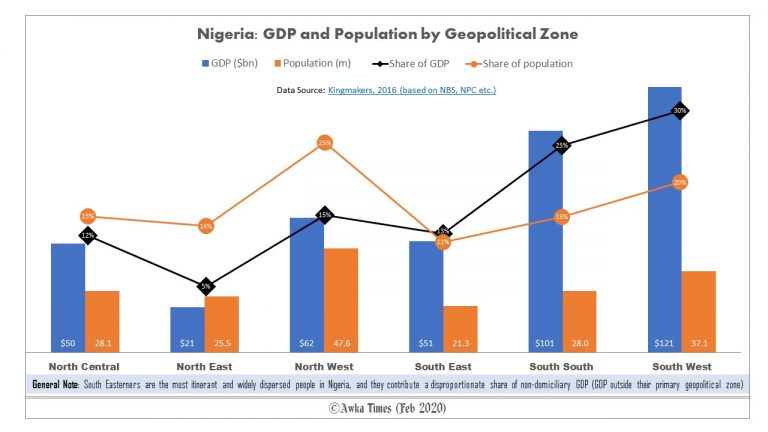
In the lead-up to Nigeria’s 60th Independence Anniversary later in 2020, Awka Times will use occasional charts and other graphics to depict the country’s journey so far, hoping by this to contribute to the national conversation currently focused on how to forge a more perfect Union in Nigeria.

In this second installment of the Awka Times charts, we depict the share of population versus GDP by geopolitical zone as of 2016. The data used for the Awka Times analysis was sourced from Kingmakers which obtained its primary data from the National Bureau of Statistics, National Population Commission, Debt Office Management, Office of The Accountant General of the Federation, among other sources.

The chart tells its own story, and should help with the national conversation pertaining to power sharing and restructuring, as well as economic diversification.

Nigeria: Head of Govt Tenure by Individual and Zone

0

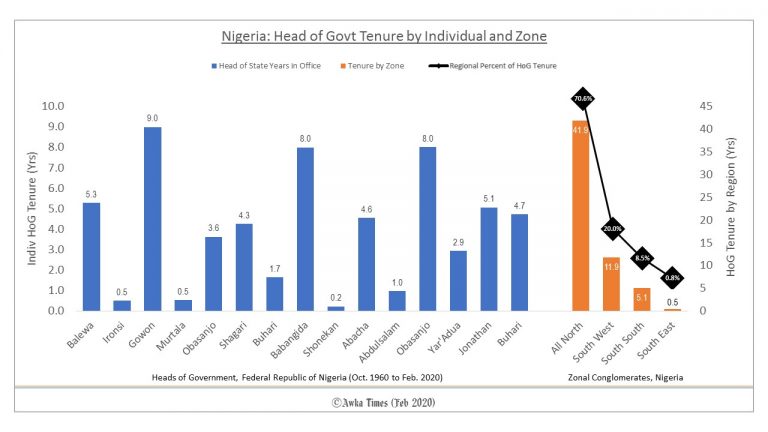
In the lead-up to Nigeria’s 60th Independence Anniversary later in 2020, Awka Times will use occasional charts and other graphics to depict the country’s journey so far, hoping by this to contribute to the national conversation currently focused on how to forge a more perfect Union in Nigeria.

In this first installment of the Awka Times charts, we depict the tenure of individual Heads of Government since Independence in 1960 to the current time, Feb 2020. We also consolidate the tenure by zonal aggregates. In our depiction, the three geopolitical zones of Northern Nigeria are consolidated into one aggregate for simplicity. The chart tells its own story, and should help with the national conversation pertaining to power sharing and restructuring.

Police In Anambra State Arrest Fake Blind Woman Exploiting Teenagers To Beg

0

By Ndu Chris Nwannah, ATM Guest Writer

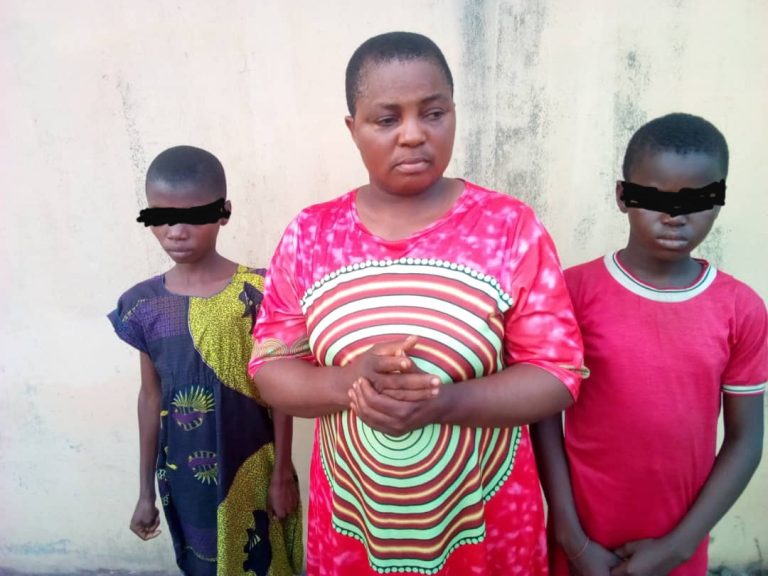
The Anambra State Police Command has nabbed a fake blind woman who specializes in recruiting teenagers to beg for alms. The 37 year old lady, whose name was given as Mrs Ngozi Dike was arrested by police detectives at Oye Olisa Market, Ogbunike in Oyi Local Government Area. A statement by the Police Public Relations Officer in the state, Mr Haruna Mohammed, indicates that suspect was from Umuaka in Isu Njaba Local Government Area of Imo State.

The culprit was said to have had dinner the parents of the teenagers, Blessing Ezenwanne, eight years and Favour Ezeagu, 11 years, and promised that she would enroll and train them in school.

“On 15 February 17, 2020, at about 11:48am, following intelligence report, Police detectives attached to Ogbunike Division arrested at Oye Olisa Market, Ogbunike in Oyi Local Government Area one Mrs Ngozi Dike, a female aged  37 years, of Umuaka Town, Isu-Njaba LGA of Imo State.

“Suspect  pretended to be afflicted with blindness, and was using two teenage girls namely; Blessing Ezenwanne aged  eight years, of Ugwuta Town and  Favour Ezeagu, aged  11 years of Nwari, Ohaji-Egbema of Imo State, to beg for alms.”

According to Mr Mohammed, investigations by the police show that the woman was not visually impaired.

“Preliminary investigation revealed that the suspect is neither blind nor afflicted with any ailment as she claimed and that she deceived the parents of the teenage girls that she want to train them in school, but instead use them for begging in the market.”

“Case is under investigation after which suspect would be charged to court for prosecution,” the police image maker noted.

He said the Commissioner of Police in the State, Mr John Abang, has warned parents to be careful, while giving out their children as house help.

“The Commissioner of Police, CP John B. Abang, urges parents and guardians to be wary of those they entrust their Children on in other not to expose them to moral danger.”

Igbos Urged to Invest in the Awka Millennium City Project

0
Dr. Clem Nwogbo, government officials and others at the Awka Millennium City event

…. Chief Ezeibe of Legacy Motors calls on Ndigbo to buy into the AMC project

…. Dr. Clem Nwogbo pledges that the project will be completed in record time

By Chudi Okoye

A breakfast event was organized on Valentine’s Day, February 14th, 2020, by promoters of the Awka Millennium City (AMC) project to update patrons and stakeholders on the rapid pace of development going on at the site and to drive further brand marketing. The Awka Millennium City project is a massive, multi-billion naira residential and retail development in the Agu-Awka area on the north-eastern flank of Awka, capital city of Anambra State, Nigeria. The project is a joint venture between the Anambra State and a consortium of investors, led by Dr. Clem Nwogbo, hoping to develop a model city in Awka.

The Valentine Day breakfast was a networking event organized to provide update on the rapid progress in construction work already made; to showcase the world-class building equipment deployed at the facilities; and also, according to project coordinator, Ms Madubogwu Obianuju, “to appreciate clients who have bought into the project… to show them that they are loved and to build a stronger relationship with our investors.”

Chief Okey Ezeibe, Chairman of Legacy Motors, who attended the event, commended Dr. Clem Nwogbo, the event host and MD of MP-Infrastructure which is funding the AMC project, for his vision and determined effort to bring such a massive investment to his home state and town. Chief Ezeibe called on all Igbos to buy into the unique development without delay. He recalled his own effort to mobilize Igbo traders through the auspices of Auto Spare Parts and Machinery Dealers Association (ASPAMDA) to build one of Africa’s largest markets in Lagos State. He pledged to do the same with regard to the AMC development, saying that he believed in the project and would convince Ndi Anambra in Lagos and elsewhere to buy into the project.

Several notable individuals attended the event, including: Mr Jide Ikeakor (MD of Anambra Investment Promotion and Protection Agency, ANSIPPA), Chief Bishop Okonkwo (Okpuluisi), Chief Chidi Anyaegbu (Chisco Transport), Chief Anselm Tabansi (MD of Svengali), Dr Vincent Ofoegbu (consultant surgeon), Mr Godwin Ezeemo (Publisher of Orient Daily), Chief Enekwe (former local govt chairman Aguata), Mr Valentine Ozigbo (former MD of Transcorp Hilton), Mrs Sally Mbanefo (Anambra State Commissioner for Tourism), Chief Chike Chikeluba (Onwa Awka Etiti, former Director of the Central Bank of Nigeria, CBN), Chief Ben Okoye (Onwa Nnewi), Chief Tino, Chief Okey Ezibe, Chief Kobino, Chief Ben Obuekwe, Chief Ifeanyi Chukwuka, Chief Orji Okoye, Chief Law Chinwuba (former Commissioner for Housing, and also of Works in Anambra State), Hon. Emeke Nwogbo (former member representing Awka North and South in the Federal House of Representatives), and Madam Joy Nweke, among others.

Cross-section of attendees at AMC’s Valentine Day event

Welcoming guests to the event, Dr. Clem Nwogbo thanked all who have provided support for the project, especially the early birds who have already secured property on the estate. He said that the project was on course and, as he had done before, maintained his pledge that it would be completed in record time.

Burial of Senator Ndi Obi’s Sister

0
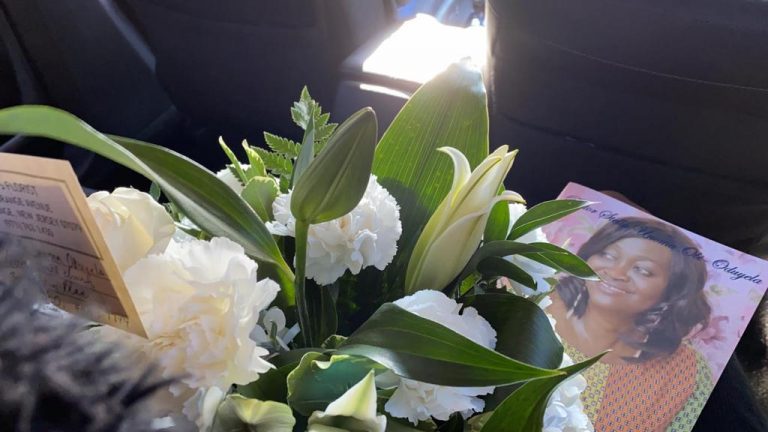
Senator Ndi Obi's sister, late Mrs Princess Stella Unoma Oduyela/Credit: Tochi Anueyiagu

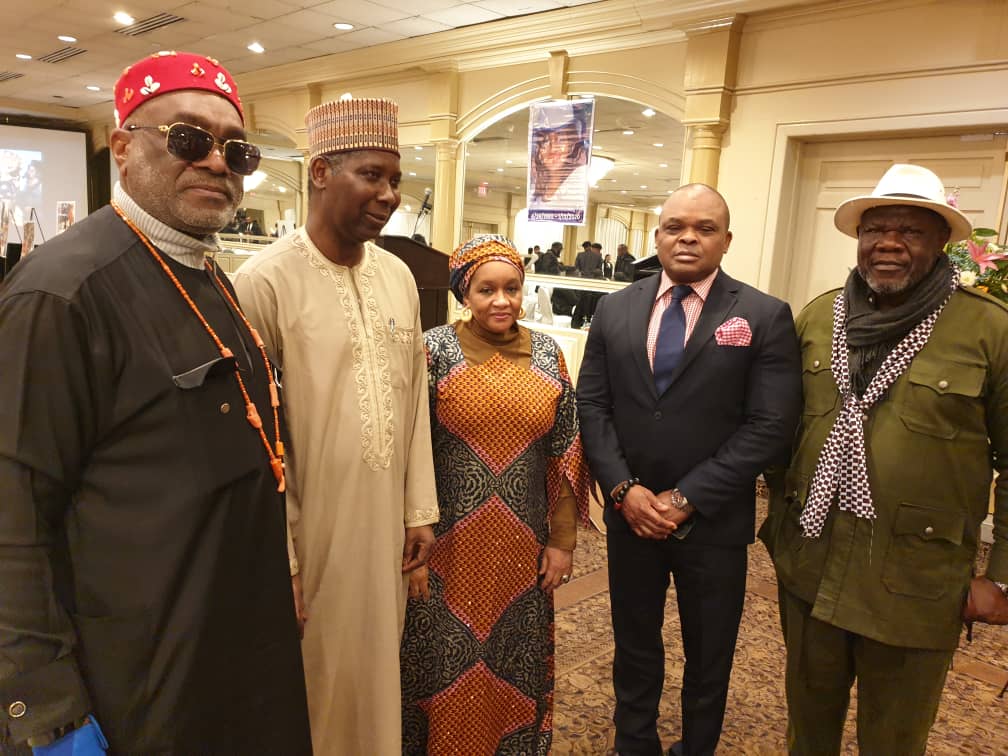
The burial of High Chief Senator Ndi Obi’s younger sister, late Pastor Mrs Princess Stella Unoma Oduyela, née Obi, who passed on at Newark, New Jersey, USA and was interred at Woodbridge Memorial Gardens New Jersey on 15th February 2020. The event was attended by family and well-wishers, including distinguished friends of the highly connected Senator.

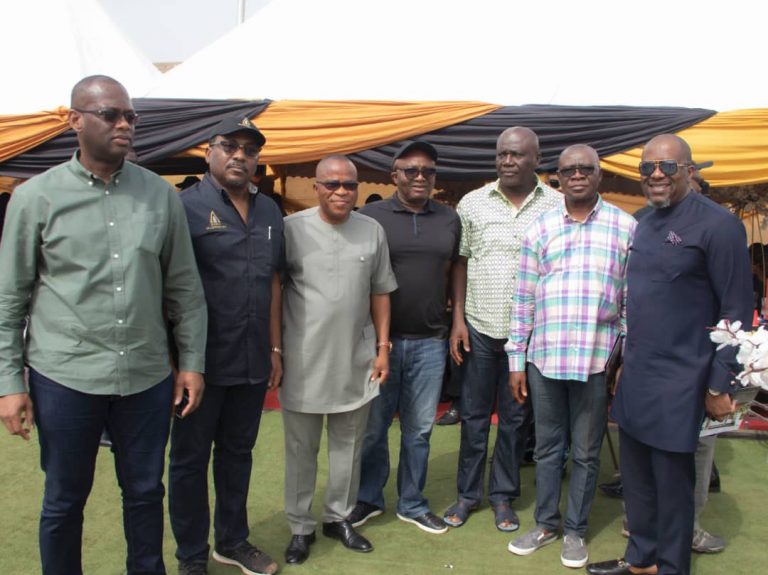
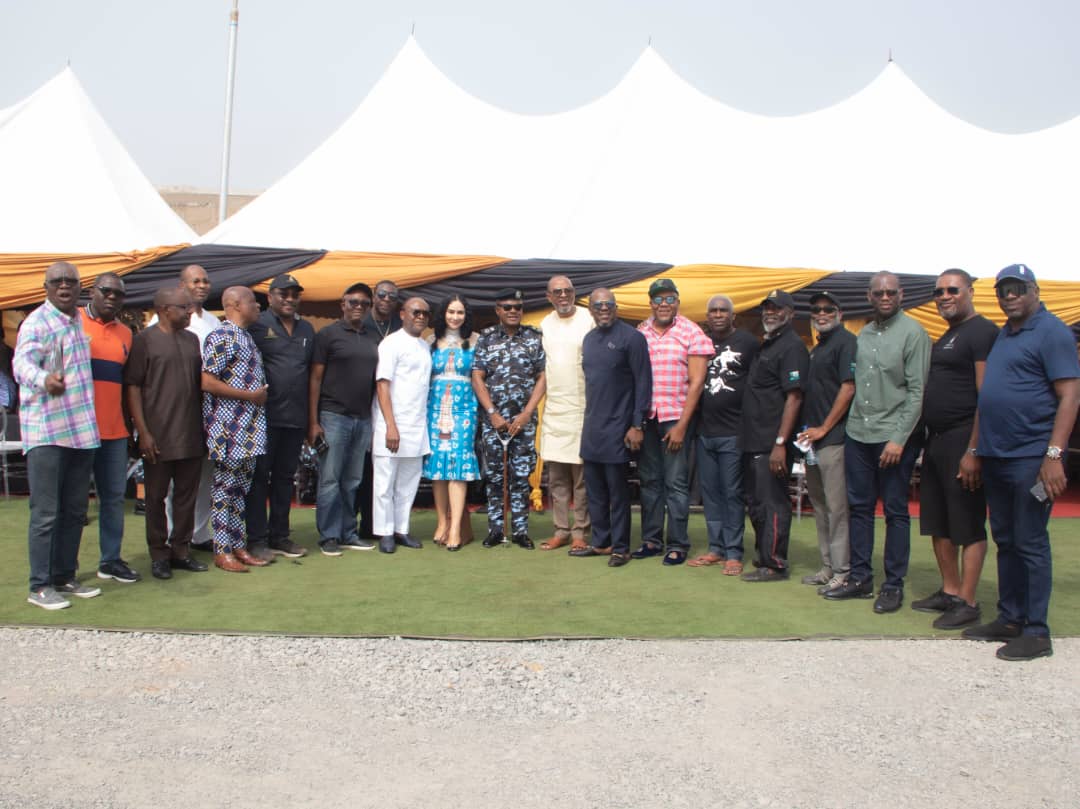
Dignitaries at the reception and burial events of Late Pastor Mrs Stella Oduyela. Left to Right are: High Chief Senator Ben Ndi Obi; His Excellency Ambassador Professor Muhammad Tijanni Bande, Nigeria Permanent Representative to the United Nations and current President of United Nations General Assembly (UNGA) with his wife; Hon. Callistus Onyiuke, Chairman Diaspora Commission City of Orange, New Jersey USA; and Mr. Nnamdi Nwokike, former WATRA Executive Secretary and retired Director of Nigeria Communications Commission.

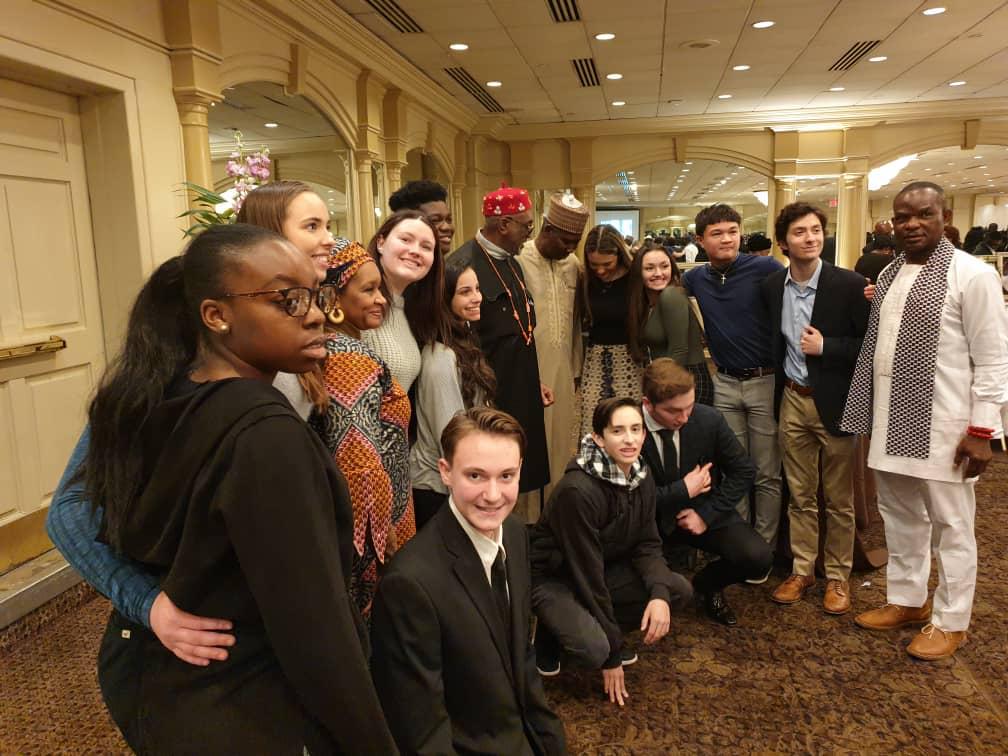
His Excellency, Professor Tijjani Bande, the Nigerian Perm. Rep. UN President United Nations General assembly, his wife and Senator Ben Ndi Obi with students of St Thomas Aquinas High School, Edison.

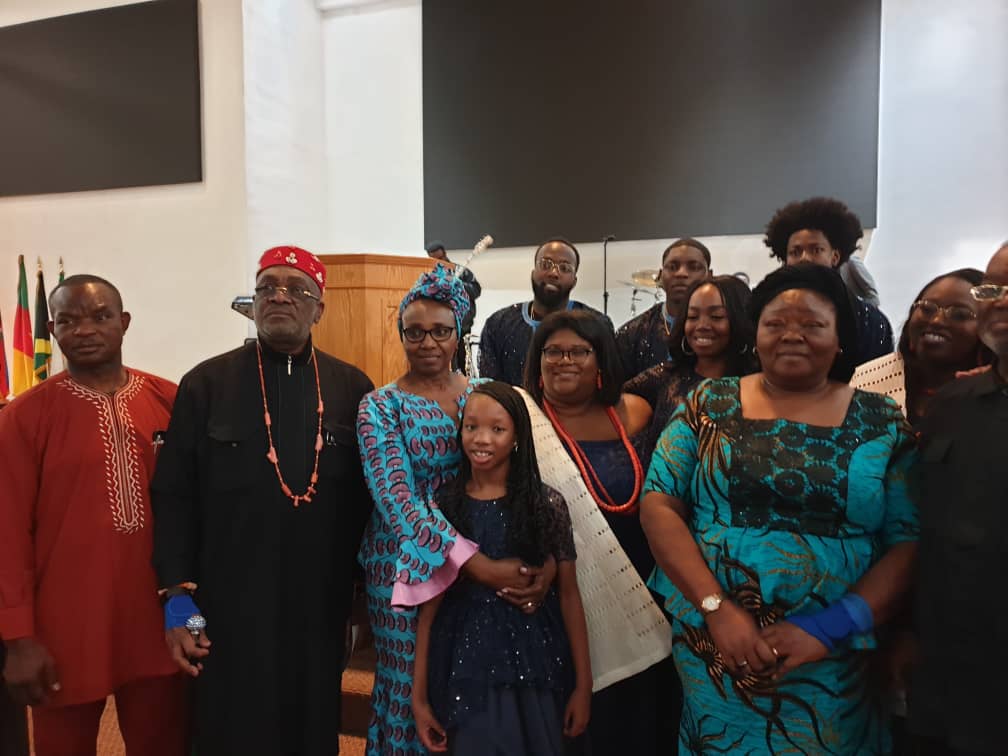
Senator Ndi Obi, 2nd left, with family at the funeral service.

Supreme Court Strikes Again – Sacks Bayelsa Governor-Elect and His Deputy-Elect!

0
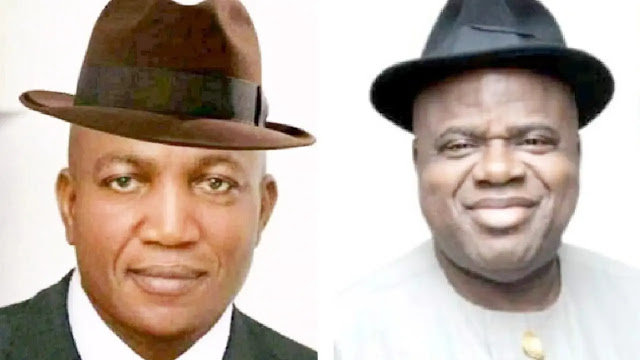
APC’s David Lyon and Biobarakuma Degi-Eremienyo

… Says APC Deputy-Governor-Elect Degi-Eremienyo filed forged certificate

… Orders INEC to issue fresh certificates to candidates of party with next highest votes, PDP

… Decision caps a month of legal zingers from the apex court, and likely puts paid to prospect for review of Imo State case


By Chudi Okoye and Ndu Chris Nwannah, ATM Guest Writer

Phew! What a month it has been at the Nigerian Supreme Court!

On Thursday 13 February 2020, the court delivered a dramatic judgement overturning the election of the Bayelsa State governorship candidates of the All Progressives Congress (APC), the federal governing party in Nigeria, in favour of the competing tickets of the federal opposition, the People’s Democratic Party (PDP).

This caps a month of election-related decisions by the Supreme Court.

Since mid-January, the apex court has delivered what seems to be an unceasing spate of judicial thrillers as it pronounced on the tumble of governorship election cases brought before it by politicians and their political parties. In the jumble of judgements it has delivered, some – mainly those whose cases crumbled in the court – have said the court stumbled or even bungled its legal reasoning. And there has been not a mere mumble but a loud rumble for judicial redress, and even calls for international intervention to force a reversal of some of the court’s judgements. Nigerians at home and some in the diaspora have been agitating for ‘justice’. In the US, for instance, some are orchestrating a campaign asking the US government to impose travel ban specifically targeting the Nigerian Supreme Court justices for their alleged partisan rulings. Critics allege that the court is in the pocket of the federal governing party, APC.

But it is hard to graph the judgements of the Supreme Court justices on election cases these past 30 days quite as simplistically as that. Much the majority of the court’s thrillers this past month has been an equitable vanilla, simply affirming elections of the declared winners and throwing out the petition of the challengers. But some other of the court’s thrillers have been undeniable chillers, overturning the election of the declared winners. And the court has delivered its hot and cold judicial dishes alike to candidates of both national political parties in Nigeria – APC and PDP.

On 14 January 2020 the Supreme Court delivered a bombshell ruling cooling the election of PDP’s Emeka Ihedioha as Imo State governor, and ordered that APC’s Hope Uzodinma, an improbable candidate by most accounts, should be sworn in as the legitimate governor of the state.

Right on the heels of that dramatic ruling, the following week the apex court dropped a string of decisions in other governorship election cases. But this time, instead of election reversals the court offered universal dismissals, simply ruling against the petitions brought before it. In several rulings delivered between January 20 and 21:

  • The court rejected PDP petition against APC’s Abdullahi Ganduje, thus affirming the latter as Kano State governor.
  • It affirmed the election of PDP’s Aminu Tambuwal as Sokoto State governor, chucking out APC’s challenge.
  • It upheld PDP’s Bala Mohammed as governor of Bauchi State, giving short shrift to APC challenge.
  • It endorsed the re-election of PDP’s Samuel Ortom as governor of Benue State, rejecting APC appeal.
  • It upheld the re-election of APC’s Simon Lalong as governor of Plateau State, frowning upon PDP’s petition.

This string of judgements, maintaining the status quo as it were, might have suggested a court with little appetite for more drama after the shocking decision still rocking Imo State.

But anyone expecting a diffident court in upcoming cases was soon to be disappointed. On Thursday 13 February, a month to the day when it delivered the Imo State shocker, there was another knocker from the Supreme Court: the court laid down a ruling overturning the election of APC’s David Lyon, who had been preparing to be sworn in as executive governor of Bayelsa State on Friday, 14 February, along with his deputy, Biobarakuma Degi-Eremienyo. The Supreme Court has held that the certificates presented to INEC by Degi-Eremienyo were forged, and that for this reason the entire APC ticket was vitiated.

A five-person panel of the apex court, led by Justice Mary Peter-Odili, ordered the Independent National Electoral Commission (INEC) to withdraw the Certificate of Return issued to the APC’s candidates who had been declared winners of the 16 November 2019 governorship election in the state. The court ordered INEC instead to issue fresh certificates to the candidates of the party which came second in the vote tally, which are those of the PDP.

In its unanimous judgement the panel held that the Bayelsa State Deputy Governor-Elect, Degi-Eremienyo, presented a forged certificate to the electoral commission. The Supreme Court upheld the submission of the appellant who had approached it praying for the disqualification of the Deputy Governor-Elect, on the APC ticket, for allegedly submitting forged documents to INEC.

Reading the lead judgement, Justice Ejembi Ekwo reinstated an earlier judgement by the Federal High Court in Abuja which had disqualified Degi-Eremienyo from taking part in the governorship polls. It held that the Form CFF-001 which Degi-Eremienyo submitted to INEC for the election in the state “contained false information of fundamental nature.”

According to the judgement, since Degi-Eremienyo shared  a joint ticket with the Governor-Elect, David Lyon, the disqualification invalidated their nomination by the APC. The Supreme Court subsequently ordered INEC to issue fresh Certificates of Return to the candidates of the party with the next highest votes.

Following the judgement, there was wild jubilation from the supporters of the People’s Democratic Party (PDP) in the state and beyond. After the judgement, the counsel to the defendant/respondent refused to make any comment. However, Mr. Mustapha Usman, counsel to the appellant, said that the decision of the Supreme Court was a “divine” one.

Fallouts from this judgement are still unfolding. But such a dramatic ruling favouring the PDP governorship ticket, and one based on a fine legal argument implicating the entire APC governorship ticket with the alleged misfeasance of the deputy governor-elect, will likely be interpreted as a (political if not judicial) “redress” for the surprising earlier judgement in the case of Imo State.

The ruling in the Bayelsa State case thus probably puts paid to the case in Imo State. It might be difficult to persuade the Supreme Court to review its judgement in the Imo State case having demonstrated its willingness to vacate the victory of candidates for both the All Progressives Congress and the People’s Democratic Party.

It has been a dizzying month of legal dispositions from the highest court in the land.

South East Security Programme Set To Take Off

0

… Plans afoot to set up the South East Joint Security outfit

… FG already informed and will be briefed before programme takes off

… Legislators to enact law setting up the South East security outfit

By Chudi Okoye and Ndu Chris Nwannah, ATM Guest Writer

There aren’t as yet explicit rumours of war in Nigeria. But there is no doubt a dark spell of insecurity pervading the land, with an overhanging sense of governmental incompetence felt almost everywhere. Tales of violence and gore in the core North are rampant, as blatant Boko Haram terror unfolds in the face of seeming helplessness on the part of the mighty federal government of Nigeria.

As Boko Haram terrorism goes viral, there is also a spiral of violent conflicts between nomadic herders from northern Nigeria and sedentary agrarian communities in the central zones. The menace is now also spreading southward with relentless herder migration – in part driven by desertification, insecurity and the loss of grazing land in the north, and allegedly by geopolitical considerations. The audacious southward migration of Fulani herders is roiling southern communities, with boiling competition over land between herders and farmers. Farmers and farming communities are at the mercy of herders who are in the habit of invading farmers and their households, with gory accounts of destruction of lives and properties heard with disturbing frequency.

Other forms of insecurity and lawlessness are also manifesting across Nigeria. Kidnappers are on the rampage in virtually every part of the nation. Armed robbery is almost a daily occurrence, just like cult related crimes. This is to say nothing of the heinous crimes committed by ritualists who daily abduct children and adults for power and money rituals. And now banditry has been added to the mix of security issues plaguing the country.

The growing insecurity had led to widespread concern expressed by groups and eminent Nigerians, including politicians and traditional rulers, demanding effective government response to the security menace. Some senators even demanded that the service chiefs should be sacked for their failure to manage the security crises. Much of such calls had gone seemingly unheeded.

When finally the president of Nigeria, septuagenarian Muhammadu Buhari, deigned to address the rising insecurity, he feigned surprise at the reign of terror spreading across the country. His halting reaction is causing palpable doubt concerning not just whether the Buhari government is capable of controlling the security situation but if indeed it is willing to wade in. The jury is out on the federal government’s seriousness and preparedness.

Meanwhile, a wary world watches, warning visitants to be vigilant in the turbulent country, especially if travellers intend to visit the more violent parts of the country. Nigeria had the dubious distinction of placing third in the Global Terrorism Index in 2019, behind only Afghanistan and Iraq, but today may well be further up the rank of scourge with the surge in Boko Haram terrorism, herder conflicts and myriad other outrages. America has already slapped a ban on the grant of immigrant visa to Nigerians, a humiliating commentary on the state of affairs in the country.

Geopolitical Responses

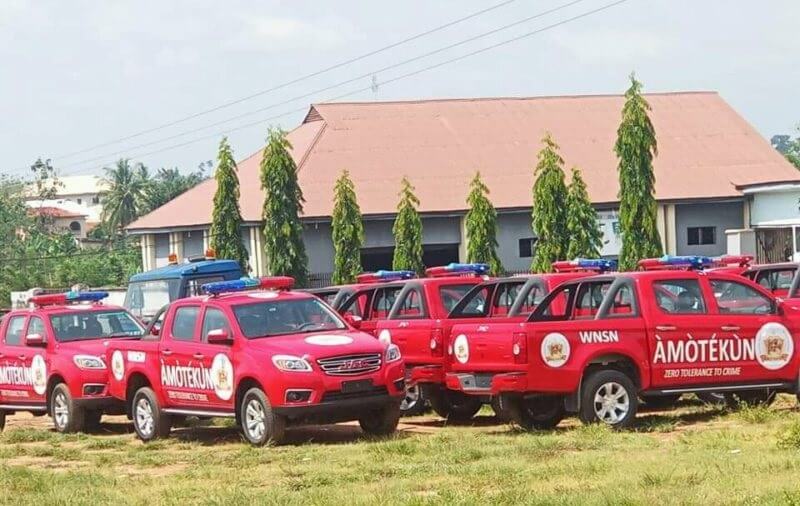
In reaction to the festering tumor of insecurity in Nigeria and the apparent stupor of federal response, subnational authorities, organizing as geopolitical coalitions, are forming their own security apparatuses to defend against the growing menace. On January 9, 2020, governors of the six South West (SW) states of Nigeria (Ogun, Osun, Oyo, Ekiti. Ondo and Lagos) took a dramatic step and launched the Western Nigeria security network named ‘Operation Amotekun’. Reports indicate that the six states each contributed 20 vehicles and 100 motorbikes, and are providing funding for the recruitment, training and equipping of the Amotekun personnel, and for the operation of the outfit.

Announcing the initiative in Ibadan, capital of Oyo State, the South West governors insisted that Amotekun (which means ‘leopard’) was meant merely to complement the overstretched mainstream security agencies, and would be able to offer the level of security and cover far-flung territorial reaches beyond the capability of mainstream agencies. It is said that the federal government has signaled its accent to the setup in the South West, as the legal architecture is being worked out.

In the North, the Coalition of Northern Groups (CNG) has announced the formation of ‘Operation Shege Ka Fasa’ ostensibly to tackle the problems of kidnapping, banditry and other crimes in the northern states.

It appears, however, that sections of the northern political establishment do not support the outfit. The Plateau State Governor and Chairman of the Northern Governors’ Forum, Mr Simon Lalong, in a press interview, stated that northern governors were not behind the Shege Ka Fasa security outfit which had been set up without consulting the governors. The Sultan of Sokoto, Alhaji  Sa’ad Abubakar, and the Governor of Kano State, Dr Abdullahi Ganduje, at a Northern Security Meeting in Kaduna on February 6, also dismissed Operation Shege Ka Fasa.

Nevertheless, CNG has said that it would seek legal recognition from relevant federal authorities, criticizing the northern elites for being disconnected from the masses..

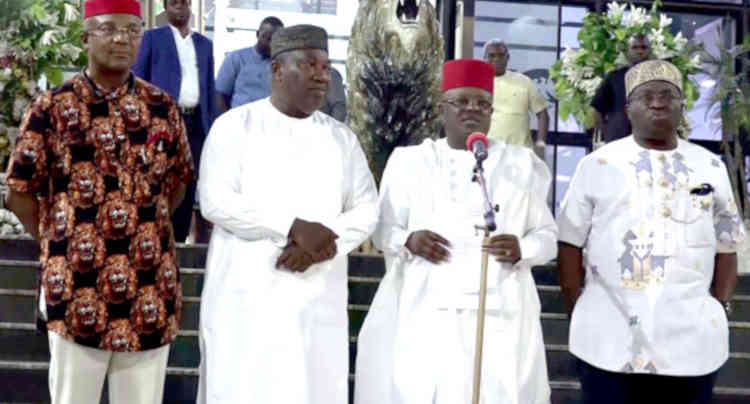
In the South East (SE) zone comprising the core Igbo states, there is also an ongoing effort to address the security situation, but there is not as much apparent speed as seen so far in the South West. The South East Governors Forum had earlier engaged the security issue back in 2019, and it revisited the matter during a Forum meeting that held in Enugu on February 9, 2020.

South East Security Issues

Emerging from the recent South East Governors Forum meeting, the governors released a communique addressing numerous issues of concern to the region. The release, which was presented by the Chairman of the Forum and Governor of Ebonyi State, Chief Dave Umahi, dwelt to some extent on a zonal security arrangement.

According to Governor Umahi, “The governors had formed their South East Joint Security on July 28, 2919 and inaugurated her Committee on Joint Security on the 31 of August 2019.”

This statement translates to the fact that the SE initiative had been announced well before the SW’s Amotekun security agenda. What then could be the hindrance preventing the actualization of the Joint Security plan, several months after it was announced? The South West has rolled out its zonal security plan, providing funding, trained personnel and gadgets, and is now reverse-engineering the legal architecture for the outfit, with SW South-West attorneys general met on February 7 in Ibadan where they adopted a draft bill on Amotekun to be presented in each of the six state houses of assembly in the SW. The South East, from all indications, is still at the pre-legislative stage and is still consulting on the legal framework.

The communique from the recent meeting of the Governors’ Forum noted that after taking a briefing from the Chairman of the South East Joint Security Committee, the Forum was satisfied “with all the arrangements that will lead [the] South East State Houses of Assembly to enact a law to back up the South East Security Programme with a name [for] the outfit.”

It assured that at the appropriate time the Federal Government would be informed of the details of the Joint Security Programme.

The release also stressed that the State Vigilante and the Forest Guards are daily working with security agencies in the South East to protect lives and property.

As good as these announcements sound, it is important to note that the application of the initiative is fundamental to offering robust security to the people. The South East governors are expected to brush aside any hinderance to their lofty agenda. Political differences should be kept aside in the quest to offer efficient security to the people. Political will is also very important in this venture. If the governors continue to speak without acting collectively, this task may not be accomplished. They must apply the will to succeed and must not wait till more lives and property are lost before acting decisively.

Other South East Matters

It was heartwarming that the forum also looked at infrastructure in the zone and commended the federal government over the pace of work at Akanu ibiam International Airport, Enugu. According to the communique issued by the Forum,

“The South East Governors took a brief on the rehabilitation and expansion of the Akanu Ibiam International Airport, Enugu from His Excellency, the Governor of Enugu State, Rt. Hon. Ifeanyi Ugwuanyi and the Chairman of the Works Committee of the South East Governors on the Project, Sir Engr. Chris Okoye…

“Forum noted the quality and speedy progress of work by the contractor, PW Nig. Ltd. Forum is very satisfied with the progress so far made and assurances of integrated safety and landing facilities, fencing and drainages incorporated in this package.”

The Forum further applauded President Muhammadu Buhari for ensuring prompt release of money for the airport upgrading work. In the words of the governors,

“Forum, therefore, commended His Excellency, Mr. President for his prompt in full release of special funding for the project.

“Forum also commended the Governor of Enugu State for making more land available and his commitment in the overall success of the project.

“Forum also commended the Hon. Minister of Aviation, Senator Hadi Sirika for his commitment and constant supervision of the project.

“Forum also commended the Works Committee Chairman on the project, Sir Engr. Chris Okoye and his team for efficient supervision and monitoring of the project.”

The most cheering news however is the readiness of the Federal Government to reopen the airport by the 31st of next month.

“Forum assures our people that Mr. President, the Hon. Minister of Aviation, the Chief of Staff to Mr. President and indeed all stakeholders to this project are committed to the re-opening of the Airport by 31 of March,” the statement said

The governors were happy over the speed with which work on the Enugu-Port Harcourt highway was being pursued. They however called for proper funding to ensure the completion of road projects before the rains set in.

“Forum took brief from the Governor of Abia State, His Excellency, Dr. Okezie Ikpeazu on the Enugu-PH Federal Highway that is on-going. Forum commended the Federal Government on speedy and quality work, though a number of sections are yet to be attended to, especially the Abia-PH axis being handled by a Chinese Company. Our findings show that they are not yet properly funded, as to effect reasonable work before the rainy season. While thanking Mr. President and the Hon. Minister of Works for this road, we appeal that all the companies be fairly funded so as to attend to most of the deplorable sections before the rainy season.”

The forum looked at the progress of the Enyimba Economic City.

“The Governor of Abia State, His Excellency, Chief Okezie Ikpeazu also briefed Forum on the Enyimba Economic City. He assured on the success of the programme so far. He, however, requested that the associated part of the programme, which is the ring road connecting South East and South South be commenced.”

The Governors were thrilled over the possibility of completing the second Niger Bridge during the tenure of President Buhari. They commended the adequate release of funds to prosecute the work. As they put it,

“Forum took a brief from the Governor of Anambra State, His Excellency, Chief Willy Obiano, represented by His Deputy, His Excellency, Dr. Nkem Okeke, on the progress of work on the 2nd Niger Bridge. A full view of on-going work was shown to the South East Governors. Forum and stakeholders commended Mr. President, the Hon. Minister of Works, the Chief of Staff to Mr. President and the Managing Director of National Social Investment Authority (NSIA), Mr. Uche Orji, for making this project a reality. With the level of funding by Mr. President, we are confident that this project shall be completed in his tenure.”

The SE Governors Forum said they appreciated all efforts made by Ohaneze Ndi Igbo to ensure the success of the activities of the forum and pledged to always collaborate with the group.

“We thank Ohaneze Ndi Igbo for visiting us in our meeting, today, as we note all the useful advice given to the Forum. We pledge to work with them for the benefit of our people,” the release noted.